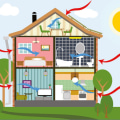
In the realm of home construction and maintenance, understanding the significance of ventilation and air quality is paramount for homeowners. Proper ventilation not only facilitates the exchange of stale indoor air with fresh outdoor air but also plays a crucial role in regulating humidity levels. This balance is essential to prevent the growth of mould and mildew, which can compromise both the structural integrity of a home and the health of its occupants. The quality of air within our homes directly impacts our well-being. Poor air quality can lead to a range of health issues, from respiratory problems to allergies, making it vital for homeowners to prioritise this aspect.
By ensuring adequate ventilation, homeowners can significantly reduce indoor pollutants, allergens, and harmful gases, creating a healthier living environment. Moreover, good air quality contributes to overall comfort and energy efficiency. Homes that are well-ventilated tend to maintain a more consistent temperature, reducing the strain on heating and cooling systems. This not only enhances comfort but also leads to lower energy bills, making it a win-win situation for homeowners. As we delve deeper into the strategies for achieving optimal ventilation and air quality, it becomes clear that these elements are not merely optional but essential components of a healthy home.
Types of Ventilation Systems for Homes
When it comes to ensuring proper ventilation and air quality in a home, understanding the types of ventilation systems available is crucial.Homeowners can choose between natural ventilation and mechanical ventilation, each offering distinct advantages and considerations.
Natural Ventilation
Natural ventilation relies on the natural movement of air through openings such as windows, doors, and vents. This method is often the most energy-efficient option, as it does not require any mechanical systems. Key benefits include:- Cost-effective: Minimal installation and maintenance costs.
- Energy-efficient: Reduces reliance on heating and cooling systems.
- Fresh air circulation: Promotes a healthier indoor environment by allowing fresh air to enter.
Mechanical Ventilation
In contrast, mechanical ventilation uses fans and ductwork to control airflow within the home. This system can be particularly beneficial in tightly sealed homes where natural airflow is limited.There are several types of mechanical ventilation systems:
- Exhaust Ventilation: Removes stale air from the home, creating a negative pressure that draws in fresh air from outside.
- Supply Ventilation: Introduces fresh air into the home while exhausting stale air through passive vents.
- Balanced Ventilation: Combines both supply and exhaust systems to maintain equal airflow, ensuring optimal indoor air quality.
- Heat Recovery Ventilators (HRVs): Transfers heat from outgoing stale air to incoming fresh air, improving energy efficiency.
How to Assess Your Home's Current Ventilation
Assessing your home's current ventilation is crucial for maintaining air quality and ensuring a healthy living environment. Here are some steps to help you evaluate your ventilation system effectively:- Check for Signs of Poor Ventilation: Look for common indicators such as condensation on windows, musty odours, or excessive dust accumulation. These signs often suggest inadequate airflow and can lead to more serious issues like mould growth.
- Monitor Humidity Levels: Use a hygrometer to measure indoor humidity.
Ideally, levels should be between 30% and 50%. High humidity can indicate poor ventilation, while low humidity may suggest over-ventilation.
- Inspect Air Vents and Ducts: Ensure that all air vents are unobstructed and clean. Dusty or blocked vents can significantly reduce airflow, impacting the overall ventilation efficiency.
- Evaluate Exhaust Fans: Check that kitchen and bathroom exhaust fans are functioning properly. These fans play a vital role in removing excess moisture and pollutants from your home.
This may involve:
- Air Quality Testing: Hire professionals to test for pollutants such as carbon monoxide, volatile organic compounds (VOCs), and particulate matter.
- Thermal Imaging: Use thermal imaging technology to identify areas of heat loss or gain, which can indicate poor ventilation.
Common Sources of Indoor Air Pollution
Indoor air pollution is a significant concern for homeowners, as it can lead to various health issues and affect overall air quality. Understanding the common sources of indoor air pollution is essential for maintaining a healthy living environment.- Volatile Organic Compounds (VOCs): These are emitted from a variety of household products, including paints, varnishes, cleaning agents, and air fresheners. Prolonged exposure to VOCs can cause headaches, dizziness, and respiratory problems.
- Dust and Allergens: Dust mites, pet dander, and pollen are common allergens found in homes.
They can trigger asthma and allergy symptoms, making effective ventilation crucial for reducing their concentration.
- Mould and Mildew: High humidity levels can lead to the growth of mould and mildew, which release spores into the air. These spores can cause respiratory issues and exacerbate allergies.
- Carbon Monoxide: This odourless gas can be produced by malfunctioning gas appliances or poor ventilation in heating systems. Regular maintenance of these systems is vital to prevent carbon monoxide buildup.
- Radon: A naturally occurring radioactive gas that can seep into homes from the ground. Testing for radon levels is essential, especially in areas known for high radon concentrations.
- Improve Ventilation: Ensure that your home has adequate ventilation by using exhaust fans in kitchens and bathrooms and opening windows when weather permits.
- Regular Cleaning: Frequent dusting and vacuuming with HEPA filters can help minimise dust and allergens.
- Control Humidity: Use dehumidifiers to maintain indoor humidity levels between 30% and 50%, which helps prevent mould growth.
- Avoid Smoking Indoors: Tobacco smoke is a major source of indoor air pollution; prohibiting smoking inside can significantly improve air quality.
Best Practices for Improving Home Ventilation
Ensuring proper ventilation in your home is crucial for maintaining indoor air quality and promoting a healthy living environment.Here are some best practices to improve home ventilation:
- Utilise Natural Ventilation: Open windows and doors whenever possible to allow fresh air to circulate. Cross-ventilation can be particularly effective; position fans to draw air in from one side of the house and push it out the other.
- Install Exhaust Fans: Place exhaust fans in high-moisture areas such as kitchens and bathrooms. These fans help remove excess humidity and prevent the growth of mould and mildew.
- Regularly Maintain HVAC Systems: Schedule regular maintenance for your heating, ventilation, and air conditioning (HVAC) systems. Clean or replace filters as needed to ensure optimal airflow and efficiency.
- Consider Air Purifiers: Invest in high-quality air purifiers that can filter out pollutants, allergens, and other harmful particles from the air.
This is especially beneficial in homes with pets or smokers.
- Seal Ducts Properly: Ensure that your ductwork is properly sealed and insulated. Leaky ducts can lead to significant energy loss and poor air quality.
- Monitor Indoor Humidity Levels: Use a hygrometer to keep track of humidity levels in your home. Aim for a range of 30-50% humidity to prevent mould growth while ensuring comfort.
The Role of Air Purifiers in Home Air Quality
In the quest for optimal indoor air quality, air purifiers have emerged as essential tools for homeowners.These devices work by filtering out pollutants, allergens, and other harmful particles from the air, thereby complementing existing ventilation systems.
Benefits of Air Purifiers
- Reduction of Allergens: Air purifiers are particularly effective at capturing common allergens such as dust mites, pollen, and pet dander, making them invaluable for allergy sufferers.
- Elimination of Odours: Many air purifiers come equipped with activated carbon filters that can absorb unpleasant smells from cooking, pets, or smoke.
- Improved Respiratory Health: By removing airborne pollutants, air purifiers can help reduce respiratory issues and improve overall health.
- Enhanced Comfort: Cleaner air contributes to a more comfortable living environment, promoting better sleep and overall well-being.
Choosing an Air Purifier
When selecting an air purifier for your home, consider the following factors:
- Filter Type: Look for HEPA filters, which are highly effective at trapping small particles. Some models also include additional filters for odours and gases.
- Room Size: Ensure the purifier is suitable for the size of the room where it will be used. Check the Clean Air Delivery Rate (CADR) to gauge its effectiveness.
- Noise Level: Consider how loud the unit is, especially if it will be used in bedrooms or quiet spaces.
- Maintenance Costs: Factor in the cost of replacement filters and energy consumption when evaluating long-term expenses.
Maintaining Your Ventilation System: Tips and Tricks
Maintaining your ventilation system is crucial for ensuring high air quality and a comfortable living environment.Regular maintenance not only prolongs the lifespan of your system but also enhances its efficiency. Here are some essential tips to keep your home ventilation system in top shape:
- Regular Filter Changes: One of the simplest yet most effective maintenance tasks is to change or clean your air filters regularly. Depending on the type of filter, this should be done every 1 to 3 months. Clogged filters restrict airflow and can lead to poor air quality.
- Inspect Ductwork: Periodically check your ductwork for any signs of damage or leaks.
Sealing leaks can improve system efficiency and prevent dust and allergens from entering your home.
- Clean Vents and Grilles: Dust and debris can accumulate in vents and grilles, obstructing airflow. Regularly cleaning these areas helps maintain optimal performance.
- Schedule Professional Inspections: Consider having a professional inspect your ventilation system at least once a year. They can identify potential issues that may not be visible to the untrained eye.
- Monitor Humidity Levels: High humidity can lead to mould growth, while low humidity can cause discomfort. Use a hygrometer to keep track of indoor humidity levels, aiming for a range of 30-50%.
- Utilise Exhaust Fans: Make sure to use exhaust fans in kitchens and bathrooms to remove excess moisture and odours, which helps maintain overall air quality.
Remember, a well-maintained ventilation system not only improves air quality but also enhances energy efficiency, ultimately saving you money on utility bills.
FAQs About Home Ventilation and Air Quality
Homeowners often have numerous questions regarding home ventilation and air quality. Below are some of the most frequently asked questions that can help clarify common concerns.What is the importance of ventilation in a home?
Proper ventilation is crucial for maintaining a healthy indoor environment. It helps to remove excess moisture, reduce indoor pollutants, and ensure a steady supply of fresh air. Without adequate ventilation, homes can suffer from issues such as mould growth, unpleasant odours, and respiratory problems.How can I tell if my home has poor ventilation?
- Musty smells: A persistent damp or musty smell can indicate inadequate airflow.
- Condensation: Excessive condensation on windows or walls is a sign of high humidity levels.
- Mould growth: The presence of mould in corners, on ceilings, or behind furniture suggests poor air circulation.
- Stale air: If the air feels stale or stuffy, it may be time to improve your ventilation system.
What are some effective ways to improve home ventilation?
- Open windows: Regularly opening windows allows fresh air to circulate and helps reduce indoor pollutants.
- Install exhaust fans: Use exhaust fans in kitchens and bathrooms to remove moisture and odours effectively.
- Use air purifiers: High-quality air purifiers can help filter out allergens and improve overall air quality.
- Consider mechanical ventilation systems: Systems like heat recovery ventilators (HRVs) can provide controlled ventilation while conserving energy.
How often should I ventilate my home?
A general guideline is to ventilate your home at least once every hour.However, this may vary based on factors such as the number of occupants, activities taking place (like cooking or showering), and the season. During winter months, it’s essential to balance ventilation with heating needs to maintain comfort.If you have further concerns about your home's ventilation and air quality, consulting with a professional can provide tailored solutions that meet your specific needs.
Conclusion: Key Takeaways for Homeowners
In conclusion, ensuring proper ventilation and air quality in your home is essential for maintaining a healthy living environment. Homeowners must recognise that effective ventilation not only helps to control humidity levels but also reduces the accumulation of indoor pollutants. Here are the key takeaways to consider:- Understand the Importance of Airflow: Proper airflow is crucial for diluting indoor air pollutants. Ensure that your home has a balanced ventilation system that allows fresh air to circulate while expelling stale air.
- Regular Maintenance: Regularly inspect and maintain your ventilation systems, including HVAC units, exhaust fans, and air filters.
Clean or replace filters as needed to ensure optimal performance.
- Utilise Natural Ventilation: Whenever possible, open windows and doors to promote natural airflow. This can significantly improve indoor air quality, especially during mild weather.
- Monitor Indoor Air Quality: Consider investing in air quality monitors to keep track of pollutants such as carbon dioxide, volatile organic compounds (VOCs), and particulate matter. This data can help you make informed decisions about your home's ventilation needs.
- Incorporate Plants: Indoor plants can enhance air quality by absorbing toxins and releasing oxygen. Choose low-maintenance varieties that thrive indoors.
Remember, home construction and maintenance go hand in hand with ensuring that your home remains a safe haven for you and your family.