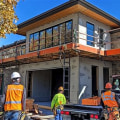
Embarking on a journey of home construction and maintenance can be both exciting and daunting. As homeowners or prospective builders, understanding the landscape of potential challenges is crucial for a successful project. To navigate this process effectively, consider some essential homeowner tips that address the various can be both exciting and daunting. As homeowners or prospective builders, understanding the landscape of potential challenges is crucial for a successful project. To navigate this process effectively, consider some essential homeowner tips that address the various issues that can arise unexpectedly, impacting timelines, budgets, and overall satisfaction with the final outcome. From unforeseen site conditions to regulatory hurdles, the spectrum of common construction challenges is broad. For instance, issues such as poor weather conditions, material shortages, or even miscommunication among contractors can lead to significant delays.
Additionally, navigating the complexities of local building codes and permits can pose further obstacles that require careful attention and planning. Recognising these potential construction process problems early on can empower homeowners to take proactive measures. By being informed about the typical pitfalls in home construction, individuals can better prepare themselves to mitigate risks and ensure a smoother building experience. This understanding not only aids in avoiding common mistakes but also enhances the overall quality of the construction project.
Planning and Design Issues
During the home construction and maintenance process, effective planning and design are crucial to avoid complications that can lead to delays and increased costs. Here are some common issues that may arise:- Inadequate Planning: One of the most significant issues is insufficient planning.
This can manifest as a lack of detailed timelines, budget constraints, or failure to account for necessary permits. Without a comprehensive plan, projects can quickly spiral out of control.
- Design Flaws: Design problems often stem from miscommunication between homeowners and architects. If the vision is not clearly articulated, the final design may not meet expectations, leading to costly revisions during construction.
- Architectural Challenges: Complex architectural features can pose challenges during construction. For instance, intricate designs may require specialised skills or materials that are not readily available, resulting in delays.
- Regulatory Compliance: Failing to adhere to local building codes and regulations can halt progress.
It’s essential to ensure that all designs comply with legal requirements to avoid fines or forced alterations.
- Site Conditions: Unforeseen site conditions, such as poor soil quality or environmental restrictions, can complicate the initial design. These factors must be assessed early in the planning phase to mitigate risks.
Budget Overruns and Financial Challenges
One of the most significant challenges in home construction and maintenance is managing the budget effectively.Budget overruns can occur for various reasons, often leading to financial strain on homeowners and contractors alike. Understanding these potential pitfalls is crucial for anyone embarking on a construction project.
Unforeseen circumstances
are a common cause of budget overruns. Issues such as unexpected site conditions, adverse weather, or delays in material delivery can all contribute to increased costs. For instance, if a contractor discovers that the ground is unstable during excavation, additional foundation work may be required, significantly impacting the overall budget.Another factor that can lead to financial challenges in home building is poor estimation.Inaccurate cost assessments at the project's outset can result in insufficient funds being allocated for essential aspects of construction. This often leads to a scramble for additional financing mid-project, which can be both stressful and costly.Changes in project scope are also a frequent source of budget issues. Homeowners may decide to add features or make alterations after construction has begun, which can lead to significant cost increases. It’s essential for homeowners to communicate clearly with their contractors about their vision and any potential changes before work commences.To mitigate these financial challenges, thorough financial planning is essential.
Here are some strategies to consider:
- Create a detailed budget: Include all potential costs, such as materials, labour, permits, and contingencies for unexpected expenses.
- Regularly review expenses: Keep track of spending throughout the project to identify any discrepancies early on.
- Set aside a contingency fund: Allocate an additional 10-20% of your total budget for unforeseen costs.
- Communicate with your contractor: Maintain open lines of communication to ensure that any changes or issues are addressed promptly.
Delays in Construction Timelines
Delays in construction timelines can significantly impact the overall success of a building project. Understanding the common factors that contribute to these delays is crucial for homeowners and contractors alike.Weather conditions
are one of the most unpredictable elements that can halt progress on a construction site. Rain, snow, and extreme temperatures can make it unsafe or impossible for workers to carry out their tasks. For instance, heavy rainfall can lead to muddy conditions, while freezing temperatures can delay concrete pouring. Another significant factor is supply chain disruptions.The construction industry relies heavily on timely deliveries of materials such as timber, steel, and concrete. Any hiccup in the supply chain—whether due to global events, transportation issues, or local shortages—can lead to extended waiting periods. This not only affects the current phase of construction but can also have a cascading effect on subsequent stages.
Labour shortages
are also a pressing concern in the construction sector. A lack of skilled workers can slow down progress as projects may be understaffed or require additional time to train new employees.This issue has been exacerbated in recent years by various factors, including an aging workforce and increased demand for construction services. To mitigate these delays, it is essential for project managers to develop a robust schedule that accounts for potential disruptions. Regular communication with suppliers and subcontractors can help identify potential issues early on, allowing for proactive solutions. Additionally, incorporating buffer times into the project timeline can provide some leeway for unexpected delays. In conclusion, while delays in construction timelines are often unavoidable, understanding their causes can help stakeholders better prepare and respond effectively. By addressing weather impacts, supply chain reliability, and labour availability, homeowners and builders can work towards minimising disruptions in their home construction and maintenance projects.
Quality Control and Safety Concerns
In the realm of home construction and maintenance, ensuring quality control and addressing safety concerns are paramount.Poor quality control can lead to a myriad of issues, from structural failures to costly repairs, while safety lapses can endanger workers and future occupants.
Common Quality Control Issues
- Inadequate Inspections: Regular inspections are crucial to identify defects early. Skipping these can result in significant problems down the line.
- Substandard Materials: Using inferior materials to cut costs can compromise the integrity of the structure. Always ensure that materials meet industry standards.
- Poor Workmanship: Skilled labour is essential. Inexperienced or careless workers may not adhere to best practices, leading to subpar results.
Safety Concerns in Building Projects
- Lack of Safety Training: Workers must be adequately trained in safety protocols.
A lack of training can lead to accidents and injuries on site.
- Improper Use of Equipment: Ensuring that all machinery is used correctly is vital. Misuse can result in severe injuries or fatalities.
- Neglecting Personal Protective Equipment (PPE): Failing to use PPE such as helmets, gloves, and goggles can expose workers to unnecessary risks.
Regulatory Compliance and Permitting Issues
When embarking on home construction and maintenance, one of the most critical aspects to consider is regulatory compliance.Local authorities impose various regulations to ensure safety, environmental protection, and community standards. Failing to adhere to these regulations can lead to significant delays, fines, or even the halting of your project.
Permitting challenges
are often at the forefront of compliance issues. Before construction begins, it is essential to obtain the necessary permits, which can vary widely depending on the location and scope of the project. Common permits include:- Building permits
- Zoning permits
- Environmental permits
- Electrical and plumbing permits
However, navigating the permitting process can be complex. Homeowners may encounter:
- Lengthy approval times: Some permits can take weeks or even months to be approved, which can delay the entire construction timeline.
- Inconsistent requirements: Different jurisdictions may have varying requirements, making it crucial to understand local laws thoroughly.
- Inspections: Many permits require multiple inspections throughout the construction process, which can lead to additional costs and scheduling conflicts.
By proactively addressing potential compliance issues and securing the necessary permits, homeowners can avoid costly setbacks and ensure their construction project proceeds smoothly.
Communication Breakdowns Among Stakeholders
Effective communication is crucial in home construction and maintenance, yet it is often one of the most significant challenges faced during the construction process. When communication breaks down among contractors, clients, and suppliers, it can lead to a cascade of misunderstandings that ultimately affect project timelines and budgets.Common Causes of Communication Issues
- Lack of Clarity: Vague instructions or expectations can result in misinterpretations. For instance, if a client does not clearly articulate their vision, contractors may deliver results that do not meet the client's needs.
- Inconsistent Updates: Regular updates are essential for keeping all parties informed. Without them, stakeholders may be unaware of changes in project scope or timelines, leading to frustration and delays.
- Language Barriers: In diverse teams, language differences can hinder effective communication.
Misunderstandings may arise from technical jargon or cultural nuances that are not universally understood.
Impact on Project Management
The repercussions of poor communication can be severe. Delays in decision-making can stall progress, while unresolved issues may escalate into larger problems. For example, if a supplier fails to deliver materials on time due to a lack of communication with the contractor, it can halt construction and lead to increased costs.Moreover, when stakeholders are not aligned, it can create a toxic work environment. Discontent among team members often leads to decreased productivity and morale, further complicating project management efforts.
Strategies for Improvement
- Establish Clear Channels: Define specific communication channels for different types of information.
This ensures that everyone knows where to find updates and who to contact for specific issues.
- Regular Meetings: Schedule consistent meetings to discuss progress and address any concerns. This fosters an environment of transparency and collaboration.
- Utilise Technology: Implement project management software that allows for real-time updates and easy sharing of documents among all stakeholders.
Post-Construction Maintenance Challenges
Once the construction of your home is complete, the journey does not end there.Post-construction maintenance
is crucial to ensure that your new property remains in optimal condition. Homeowners often encounter several challenges during this phase, which can lead to costly repairs if not addressed promptly.One common issue is settling and shifting of the foundation.As the soil around your home settles, it can cause cracks in walls and ceilings. Regularly inspecting these areas and addressing any signs of movement early can prevent more significant structural problems down the line.Another frequent concern is moisture management. After construction, it’s essential to monitor for leaks or dampness, particularly in basements and around windows. Installing proper drainage systems and ensuring that gutters are clear can help mitigate these issues.
- Regular Inspections: Schedule periodic checks of your home’s exterior and interior to catch any potential problems early.
- HVAC Maintenance: Ensure that heating, ventilation, and air conditioning systems are serviced regularly to maintain efficiency and air quality.
- Landscaping Considerations: Proper landscaping can prevent water pooling around the foundation, reducing the risk of moisture-related issues.
Many construction warranties cover specific issues for a limited time. Understanding what is covered can help you take action before warranties expire.In conclusion, while post-construction maintenance may present challenges, being proactive and informed can significantly reduce the risk of ongoing problems. By implementing a regular maintenance schedule and addressing issues as they arise, homeowners can enjoy their new space without the stress of unexpected repairs.
FAQs About Home Construction Issues
When embarking on a home construction project, it's common to encounter various issues that can affect timelines, budgets, and overall satisfaction. Here are some frequently asked questions regarding these challenges:- What are the most common issues faced during home construction?
Some prevalent issues include delays due to weather conditions, unexpected site conditions, and supply chain disruptions.Additionally, miscommunication between contractors and homeowners can lead to misunderstandings about project specifications.
- How can I prevent construction delays?
To minimise delays, ensure thorough planning and scheduling before the project begins. Regular communication with your contractor and having contingency plans in place can also help mitigate potential setbacks. - What should I do if I discover structural problems?
If you encounter structural issues during construction, it’s crucial to consult with a qualified structural engineer immediately. They can assess the situation and recommend appropriate solutions to ensure safety and compliance with building regulations. - Are there any legal issues I should be aware of?
Yes, homeowners should be aware of local building codes and regulations. Failing to comply can result in fines or the need to redo work.Always check for necessary permits before commencing construction.
- How can I handle budget overruns?
Budget overruns are common in construction projects. To manage this, maintain a detailed budget from the outset and track expenses closely. Setting aside a contingency fund of 10-20% of your total budget can also provide a buffer for unexpected costs.
Conclusion: Key Takeaways on Home Construction Challenges
In summary, navigating the complexities of home construction and maintenance requires a keen awareness of potential challenges that can arise throughout the process. Understanding these issues not only prepares homeowners for what to expect but also equips them with strategies to mitigate risks effectively. Some of the most common challenges include:- Budget Overruns: Unexpected costs can emerge from various sources, including material price increases and unforeseen site conditions.
It is crucial to establish a realistic budget and include a contingency fund to accommodate these surprises.
- Delays: Construction timelines can be disrupted by weather conditions, supply chain issues, or labour shortages. Effective project management and clear communication with contractors can help minimise these delays.
- Quality Control: Ensuring that all work meets the required standards is vital. Regular inspections and hiring reputable contractors can help maintain quality throughout the construction process.
- Regulatory Compliance: Navigating local building codes and regulations is essential to avoid legal complications. Engaging with professionals who understand these requirements can streamline this aspect of the project.
Ultimately, awareness and preparation are key to overcoming the challenges associated with home construction and maintenance.