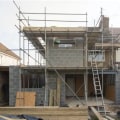
In an era where environmental concerns are at the forefront of global discussions, sustainable home construction has emerged as a vital consideration for homeowners embarking on new building projects. This approach not only addresses the pressing need for eco-friendly solutions but also enhances the long-term value and livability of a home. By integrating eco-friendly building practices, homeowners can significantly reduce their carbon footprint while creating spaces that are both functional and aesthetically pleasing. The relevance of green building extends beyond mere compliance with regulations; it reflects a commitment to preserving natural resources and promoting a healthier living environment. Sustainable construction methods often involve the use of renewable materials, energy-efficient systems, and innovative designs that maximise natural light and ventilation.
These practices not only contribute to environmental sustainability but also lead to lower utility bills and improved indoor air quality, making them an attractive option for modern homeowners. As we delve deeper into the various aspects of sustainable home construction, it becomes clear that adopting these principles is not just a trend but a necessary evolution in how we think about our living spaces. Homeowners who embrace sustainability in their construction projects are not only investing in their properties but also in the future of our planet. Understanding the importance of these practices is the first step towards making informed decisions that benefit both individual households and the wider community.
Planning Your Sustainable Home Construction Project
When embarking on a sustainable home construction project, the initial planning phase is crucial for ensuring that your vision aligns with eco-friendly practices. Setting clear sustainability goals is the first step.Consider what aspects of sustainability are most important to you—whether it’s energy efficiency, water conservation, or the use of recycled materials.Next, budgeting for eco-friendly materials is essential. While some sustainable options may have a higher upfront cost, they often lead to long-term savings through reduced energy bills and maintenance costs. Research local suppliers who offer sustainable building materials such as reclaimed wood, bamboo, or low-VOC paints. Additionally, consider investing in energy-efficient appliances and systems that can significantly lower your carbon footprint.Choosing a suitable location is another critical factor in your planning process.
Look for sites that promote green building design, such as those with good solar exposure or natural wind patterns that can enhance passive heating and cooling. Avoid areas prone to flooding or other environmental hazards that could undermine your sustainability efforts.Incorporating eco-friendly project management practices can also streamline your construction process. Engage with contractors who have experience in sustainable building and can provide insights into best practices. Regularly communicate with your team to ensure that everyone is aligned with your sustainability goals and that materials are sourced responsibly.By carefully planning each aspect of your home construction project, you can create a living space that not only meets your needs but also contributes positively to the environment.
Choosing Sustainable Materials
When embarking on a home construction project, the choice of materials plays a pivotal role in promoting sustainability.By opting for eco-friendly building materials, homeowners can significantly reduce their environmental footprint while enhancing the overall quality of their homes.One of the most effective ways to incorporate sustainability is through the use of recycled materials. These materials not only divert waste from landfills but also require less energy to produce compared to new materials. For instance, reclaimed wood can be used for flooring, beams, or cabinetry, providing a unique aesthetic while being environmentally responsible.Another essential aspect is selecting sustainably sourced wood. Look for timber certified by organisations such as the Forest Stewardship Council (FSC), which ensures that the wood is harvested in a manner that is environmentally friendly and socially responsible.
This choice supports responsible forestry practices and helps preserve natural habitats.In addition to wood, consider incorporating low-VOC products into your construction project. Volatile Organic Compounds (VOCs) are harmful chemicals found in many traditional paints, adhesives, and finishes. By choosing low-VOC or zero-VOC options, homeowners can improve indoor air quality and create a healthier living environment.Furthermore, utilising green building supplies, such as bamboo flooring or recycled metal roofing, can enhance the sustainability of your home. Bamboo is a rapidly renewable resource that grows quickly and requires minimal resources to cultivate, making it an excellent alternative to traditional hardwoods.In summary, selecting sustainable materials is crucial in reducing the environmental impact of home construction.
By prioritising recycled materials, sustainably sourced wood, low-VOC products, and green building supplies, homeowners can create a more sustainable living space that benefits both them and the planet.
Energy Efficiency in Home Design
Incorporating energy-efficient home design into your construction project is essential for reducing energy consumption and promoting sustainability. One of the primary considerations is the choice of insulation. High-quality insulation materials, such as cellulose or spray foam, can significantly reduce heat loss in winter and keep your home cool in summer, leading to lower energy bills.Another critical aspect is the selection of windows. Opting for double or triple-glazed windows can enhance thermal performance, while low-emissivity (Low-E) coatings can reflect heat back into the home during colder months and keep it out during warmer months.Additionally, strategically placing windows to maximise natural light can reduce reliance on artificial lighting.Integrating sustainable energy solutions is also vital. Installing solar panels can harness renewable energy, significantly decreasing your dependence on fossil fuels. Not only do solar panels provide clean energy, but they can also increase the value of your property and offer long-term savings on electricity costs.Moreover, consider incorporating green architecture principles into your design. This includes using sustainable materials like reclaimed wood or bamboo, which are not only eco-friendly but also add unique character to your home.
Additionally, designing for passive solar heating—where the building's orientation and materials are used to capture and store solar energy—can further enhance energy efficiency.Finally, implementing smart home technology can optimise energy use. Smart thermostats and energy monitoring systems allow homeowners to track their energy consumption and adjust settings for maximum efficiency. By embracing these strategies, homeowners can create a sustainable living environment that benefits both the planet and their wallets.
Water Conservation Strategies
Incorporating water conservation strategies into your home construction project is essential for promoting sustainability and reducing long-term costs. Here are some effective techniques to consider:- Rainwater Harvesting Systems: Installing a rainwater harvesting system allows homeowners to collect and store rainwater for various uses, such as irrigation and toilet flushing.
This not only reduces reliance on municipal water supplies but also helps manage stormwater runoff.
- Greywater Recycling: Greywater systems recycle water from sinks, showers, and washing machines for use in irrigation or toilet flushing. By implementing a greywater recycling system, homeowners can significantly decrease their overall water consumption.
- Water-Efficient Fixtures: Upgrading to water-efficient fixtures, such as low-flow toilets, showerheads, and faucets, can drastically reduce water usage without sacrificing performance. Look for products that have the WaterSense label, which indicates they meet strict efficiency criteria.
- Smart Irrigation Systems: Consider installing smart irrigation controllers that adjust watering schedules based on weather conditions and soil moisture levels. This technology ensures that plants receive the right amount of water while minimising waste.
- Native Landscaping: Opt for native plants in your landscaping design, as they require less water and are better adapted to the local climate.
This approach not only conserves water but also supports local biodiversity.
Waste Management During Construction
Effective waste management during construction is crucial for minimising the environmental impact of building projects. By implementing strategic practices, homeowners can significantly reduce the amount of waste generated and promote sustainability in their home construction and maintenance efforts.Reducing construction waste
starts with careful planning. Homeowners should conduct a thorough assessment of the materials needed for their project, ensuring that only what is necessary is ordered. This not only helps in reducing excess materials but also cuts down on costs.Recycling in Construction
Another effective method is to incorporate recycling into the construction process.Many materials, such as wood, metal, and concrete, can be recycled or repurposed. Homeowners can work with contractors who prioritise recycling and have established systems for sorting and processing waste on-site.
- Wood: Salvaged wood can be reused for framing or decorative elements.
- Metal: Scrap metal can be sold to recycling facilities, providing a financial return.
- Concrete: Crushed concrete can be used as aggregate for new concrete or as a base material for driveways.
Construction waste management
also involves educating all parties involved in the project about sustainable practices. Ensuring that everyone from contractors to subcontractors understands the importance of waste reduction can lead to more conscientious decision-making throughout the construction process.In conclusion, by prioritising waste management strategies such as careful planning, recycling, and education, homeowners can significantly reduce their environmental footprint during construction.These practices not only contribute to a more sustainable future but also enhance the overall efficiency and cost-effectiveness of home building projects.
Incorporating Smart Home Technology for Sustainability
Incorporating smart home technology into your construction project can significantly enhance sustainability efforts, making your home not only more efficient but also more environmentally friendly. By integrating various eco-friendly smart devices, homeowners can monitor and manage their energy consumption effectively.Smart Thermostats
One of the most impactful devices is the smart thermostat. These devices learn your heating and cooling preferences over time, adjusting the temperature automatically to optimise energy use. For instance, they can lower the heating when you are away from home or during the night, ensuring that energy is not wasted.Many models also provide real-time energy usage data, allowing homeowners to make informed decisions about their energy consumption.
Energy Monitoring Systems
Energy monitoring systems are another essential component of a sustainable home. These systems track energy usage across different appliances and areas of your home, providing insights into where you can cut back. By identifying high-energy-consuming devices, homeowners can replace them with more efficient alternatives or adjust their usage patterns to reduce overall consumption.Automated Water Management Solutions
Water conservation is equally important in sustainable home construction.Automated water management solutions
, such as smart irrigation systems, can help manage outdoor water use efficiently.These systems use weather data to determine when and how much to water your garden, ensuring that plants receive adequate moisture without wasting water. Additionally, smart leak detectors can alert homeowners to potential plumbing issues before they escalate, preventing water waste and costly repairs.By integrating these sustainable home automation technologies into your construction project, you not only contribute to environmental conservation but also enjoy long-term savings on utility bills. Embracing smart home technology is a proactive step towards a greener future.
Landscaping with Sustainability in Mind
Incorporating sustainability into your landscaping not only enhances the aesthetic appeal of your home but also contributes significantly to environmental conservation. By adopting sustainable landscaping practices, homeowners can create a garden that thrives while minimising resource consumption.One effective approach is to utilise native plants.These plants are well-adapted to the local climate and soil conditions, requiring less water and maintenance compared to non-native species. By choosing native flora, you can support local wildlife, including pollinators like bees and butterflies, which are essential for a healthy ecosystem.
Xeriscaping Techniques
Xeriscaping is another sustainable landscaping method that focuses on water conservation. This technique involves designing your garden with drought-resistant plants and implementing efficient irrigation systems. Here are some key principles of xeriscaping:- Soil Improvement: Enhance soil quality with organic matter to retain moisture.
- Plant Selection: Choose drought-tolerant plants that require minimal watering.
- Irrigation Efficiency: Use drip irrigation systems to deliver water directly to the plant roots.
- Mulching: Apply mulch around plants to reduce evaporation and suppress weeds.
Organic Gardening Practices
In addition to selecting the right plants, adopting organic gardening practices can further enhance sustainability.This includes:
- Avoiding Chemical Pesticides: Use natural pest control methods such as companion planting or introducing beneficial insects.
- Composting: Create a compost pile to recycle kitchen scraps and yard waste, enriching the soil naturally.
- Crop Rotation: Rotate plant species each season to maintain soil health and reduce pest buildup.
Frequently Asked Questions about Sustainable Home Construction
When considering sustainable home construction, homeowners often have numerous questions. Here are some of the most frequently asked questions that can help clarify the process:What materials are best for sustainable home building?
Choosing the right materials is crucial for eco-friendly construction. Look for recycled or renewable materials, such as bamboo, reclaimed wood, or recycled metal.Additionally, consider using low-VOC paints and finishes to improve indoor air quality.
How can I ensure my home is energy-efficient?
To enhance energy efficiency, focus on proper insulation, energy-efficient windows, and high-performance heating and cooling systems. Incorporating solar panels can also significantly reduce energy costs and reliance on non-renewable resources.What are the benefits of sustainable home construction?
- Lower utility bills: Energy-efficient homes consume less energy, leading to reduced monthly expenses.
- Increased property value: Homes built with sustainable practices often have higher resale values.
- Healthier living environment: Using non-toxic materials contributes to better indoor air quality.
- Environmental impact: Sustainable construction reduces waste and conserves natural resources.
Are there any financial incentives for building sustainably?
Many governments offer tax credits, grants, or rebates for homeowners who invest in sustainable building practices. Research local programs that support eco-friendly construction to take advantage of these financial benefits.How can I incorporate sustainability into my existing home?
If you're not building a new home, there are still many ways to make your current residence more sustainable. Consider implementing energy-efficient appliances, installing a rainwater harvesting system, or upgrading insulation to improve your home's overall efficiency.By addressing these common questions, homeowners can feel more confident in their journey towards sustainable home construction and maintenance.Conclusion: Building a Sustainable Future at Home
In conclusion, the journey towards a sustainable home begins with informed choices during the home construction and maintenance process.By integrating eco-friendly materials, energy-efficient systems, and sustainable practices, homeowners can significantly reduce their environmental footprint while enhancing the comfort and value of their properties.Throughout this article, we have explored various strategies that can be employed to achieve a greener home. These include:
- Utilising renewable energy sources, such as solar panels or wind turbines, to power your home sustainably.
- Choosing sustainable building materials, like reclaimed wood or recycled steel, which not only minimise waste but also contribute to a healthier indoor environment.
- Implementing water conservation techniques, such as rainwater harvesting systems and low-flow fixtures, to reduce water usage and promote responsible consumption.
- Incorporating energy-efficient appliances and insulation methods that lower energy consumption and reduce utility bills over time.
- Designing for longevity, ensuring that your home is adaptable to future needs and resilient against climate change impacts.