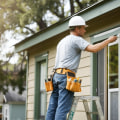
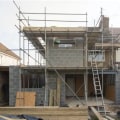
When embarking on a home construction project, the significance of preparation cannot be overstated. Properly preparing your property is not merely a preliminary step; it is a crucial phase that lays the groundwork for a successful construction process. Homeowners often underestimate the impact of site preparation, which can lead to unforeseen complications and increased costs down the line. Understanding the importance of this stage can save time, money, and stress. Effective property preparation for construction involves several key elements, including assessing the land, obtaining necessary permits, and ensuring that utilities are properly managed.
Each of these factors plays a vital role in creating a conducive environment for construction activities. For instance, failing to address drainage issues or not clearing the site adequately can result in delays and additional expenses. By taking the time to prepare thoroughly, homeowners can mitigate risks and enhance the efficiency of their construction projects. Moreover, a well-prepared site not only facilitates smoother operations but also contributes to the overall safety of the construction process. Ensuring that the area is free from hazards and that all necessary precautions are in place protects both workers and future occupants.
In essence, investing effort into home construction preparation is an investment in the longevity and quality of your home, making it an essential consideration for any homeowner looking to undertake construction work.
Assessing Your Property
Before embarking on any construction project, it is essential for homeowners to conduct a thorough property assessment. This process not only helps in understanding the current state of the property but also identifies potential challenges that may arise during construction.One of the first steps in assessing your property is to perform a detailed site evaluation. This involves examining the land's topography, soil quality, and drainage patterns. Homeowners should look for any signs of erosion, flooding, or other environmental issues that could impact the construction process.Additionally, understanding the layout of the land can help in planning the placement of new structures.Another critical aspect of property assessment is conducting a land survey. A professional land surveyor can provide accurate measurements and boundaries of your property, ensuring that any new construction complies with local zoning laws and regulations. This step is vital to avoid disputes with neighbours and to ensure that your project adheres to legal requirements.Furthermore, evaluating existing structures on your property is crucial. Homeowners should inspect for any signs of damage or structural weaknesses that may need addressing before construction begins.
This includes checking for cracks in walls, roof integrity, and plumbing or electrical issues. Addressing these problems early can save time and money in the long run.In summary, a comprehensive property assessment involving site evaluation and land surveying is fundamental for homeowners preparing for construction. By identifying potential challenges and understanding the existing conditions of their property, homeowners can make informed decisions that will lead to a smoother construction process.
Obtaining Necessary Permits and Approvals
Before embarking on any construction project, it is crucial for homeowners to understand the importance of obtaining the necessary permits and approvals from local authorities. This process not only ensures compliance with building regulations but also helps to avoid potential legal issues that could arise during or after construction.Each local council has its own set of rules and regulations regarding construction, which can vary significantly depending on the type of project.Therefore, it is essential to conduct thorough research to determine what specific planning permission is required for your project. Here are some key steps to consider:
- Consult Local Authorities: Start by visiting your local council's website or office to gather information on the required permits for your specific project. Many councils provide detailed guidelines on their websites.
- Understand Zoning Laws: Familiarise yourself with local zoning laws that dictate what can be built in your area. This includes restrictions on building height, density, and land use.
- Prepare Necessary Documentation: When applying for permits, you may need to submit various documents such as architectural plans, site surveys, and environmental assessments.
Ensure all paperwork is complete and accurate to avoid delays.
- Engage Professionals: Consider hiring professionals such as architects or planning consultants who are experienced in navigating the permit application process. Their expertise can be invaluable in ensuring compliance with all regulations.
- Be Aware of Timeframes: The permit approval process can take time, so it’s wise to apply well in advance of your planned construction start date. Delays in obtaining permits can lead to increased costs and project timelines.
Preparing the Site for Construction
Preparing a construction site is a critical step in the home construction and maintenance process.Proper site preparation not only ensures a smooth building process but also enhances safety and efficiency. Here are the essential steps to consider:
- Clearing the Land: Begin by removing any existing structures, trees, or debris from the site. This may involve hiring professionals for heavy machinery to ensure thorough clearing. It’s important to check for any underground utilities before starting this process to avoid damaging them.
- Marking Boundaries: Clearly mark the boundaries of your property to prevent any disputes with neighbours.
Use stakes and string lines to outline the area where construction will take place. This step is crucial for adhering to local zoning laws and regulations.
- Soil Testing: Conduct soil tests to determine its composition and stability. This information is vital for deciding on the type of foundation required for your new build. Poor soil conditions can lead to structural issues in the future.
- Site Drainage: Assess the drainage of the site to prevent water accumulation during and after construction.
Implementing proper drainage solutions, such as ditches or drainage pipes, can protect your property from water damage.
- Implementing Safety Measures: Safety should be a top priority during site preparation. Establish a safety plan that includes fencing off the construction area, providing adequate signage, and ensuring all workers are equipped with personal protective equipment (PPE). Regular safety briefings can help maintain awareness among all personnel on-site.
Communicating with Neighbours
When preparing for home construction and maintenance, one of the most crucial steps is effectively communicating with your neighbours.Open lines of communication can significantly ease the construction process and help maintain harmonious relationships.
Informing Neighbours About Construction
- Start by notifying your neighbours well in advance of the construction schedule. This allows them to prepare for any potential disruptions, such as noise or limited access to shared spaces.
- Provide details about the nature of the work, including the expected duration and any significant changes that may affect them, such as increased traffic or equipment usage.
Managing Neighbour Relations
- Consider hosting a small meeting or informal gathering to discuss the upcoming project. This personal touch can foster goodwill and provide an opportunity for neighbours to voice any concerns.
- Be open to feedback and address any worries they may have. Showing that you value their input can go a long way in maintaining positive relations.
Ongoing Communication
- Keep your neighbours updated throughout the construction process.
Regular updates can help alleviate concerns and demonstrate your commitment to being a considerate homeowner.
- If unexpected issues arise, such as delays or changes in plans, inform your neighbours promptly. Transparency is key to preventing misunderstandings.
Budgeting for Construction Costs
When embarking on a construction project, budgeting is one of the most critical steps a homeowner can take. Proper financial planning not only helps in estimating construction costs but also ensures that the project runs smoothly without unexpected financial strain.1.Understand the Scope of Your Project
- Before you can create a budget, it’s essential to define the scope of your construction project.
Are you planning a full renovation, an extension, or just minor repairs? Understanding what you want to achieve will help in estimating costs accurately.
2.Research and Gather Estimates
- Contact multiple contractors to get detailed estimates. This will give you a clearer picture of the market rates for materials and labour.
- Don’t forget to include costs for permits, inspections, and any other fees that may arise during the construction process.
3.Create a Detailed Budget
- Break down your budget into categories such as materials, labour, permits, and contingency funds. A good rule of thumb is to allocate an additional 10-20% of your total budget for unforeseen expenses.
- This contingency fund is crucial as it provides a safety net for unexpected costs that may arise during construction.
4.Monitor Your Spending
- Once construction begins, keep track of all expenses meticulously. Regularly compare your actual spending against your budget to ensure you stay on track.
- If you notice that certain areas are exceeding your budget, consider making adjustments in other areas or discussing alternatives with your contractor.
5.Be Prepared for Changes
- Flexibility is key in any construction project.
Homeowners should be prepared for changes in design or materials that could impact the overall cost.
- Communicate openly with your contractor about any changes and how they will affect your budget.
Choosing the Right Contractors and Professionals
When embarking on a home construction project, selecting the right contractors and professionals is paramount. The quality of your build and the overall success of your project largely depend on the expertise and reliability of the team you choose.Start with Research
- Begin by seeking recommendations from friends, family, or neighbours who have recently undertaken similar projects. Personal experiences can provide valuable insights into potential contractors.
- Utilise online platforms and directories to find local builders. Websites that feature reviews and ratings can help you gauge the reputation of various contractors.
- Check for professional affiliations.
Contractors who are members of recognised industry bodies often adhere to higher standards of practice.
Assessing Qualifications
- Ensure that any contractor you consider is fully licensed and insured. This protects you from liability in case of accidents or damages during construction.
- Request references from previous clients. Speaking directly to past customers can provide insight into the contractor's work ethic, reliability, and quality of craftsmanship.
- Review their portfolio. A reputable contractor should have a collection of completed projects that demonstrate their capabilities and style.
Interviewing Candidates
Once you have a shortlist, conduct interviews to further assess their suitability:
- Ask about their experience with projects similar to yours.
This will help you understand their familiarity with specific challenges that may arise.
- Discuss timelines and availability. A good contractor should be able to provide a realistic schedule for your project.
- Inquire about their approach to communication. Clear communication is essential for a successful partnership throughout the construction process.
Obtaining Quotes
Finally, request detailed quotes from your top candidates. Compare not just the prices but also what is included in each quote:
- Look for transparency in pricing; avoid contractors who provide vague estimates.
- Consider the materials they plan to use, as this can significantly impact both cost and quality.
FAQs About Preparing Your Property for Construction
Preparing your property for construction can raise numerous questions for homeowners.Here are some of the most frequently asked questions regarding home construction and maintenance.
- What should I do before construction begins?
Before any construction work starts, it’s essential to conduct a thorough assessment of your property. This includes checking for any necessary permits, understanding local zoning laws, and ensuring that you have a clear plan in place. Additionally, consider notifying your neighbours about the upcoming work to maintain good relations. - How can I protect my existing landscaping?
To safeguard your garden and landscaping during construction, mark out areas that need protection. You can use barriers or fencing to keep heavy machinery away from delicate plants.It’s also wise to cover any vulnerable plants with tarps or cloth to shield them from debris.
- What are the common concerns homeowners have during construction?
Homeowners often worry about noise, dust, and disruption to their daily lives. To mitigate these concerns, discuss the project timeline with your contractor and establish working hours that are considerate of your household routine. Additionally, consider implementing dust control measures such as wetting down areas where work is being done. - How do I handle unexpected issues during construction?
Unexpected issues can arise at any stage of construction. It’s crucial to maintain open communication with your contractor and address problems as they occur.Having a contingency budget set aside can also help manage unforeseen expenses without derailing your project.
Conclusion: Key Takeaways for Homeowners
In conclusion, preparing your property for construction is a critical step that can significantly influence the success of your project. By taking the time to plan and execute the necessary preparations, homeowners can mitigate potential issues and ensure a smoother construction process.Key Takeaways
- Assess Your Property: Conduct a thorough evaluation of your land, including soil quality, drainage, and existing structures. This will help identify any challenges that may arise during construction.
- Obtain Necessary Permits: Before commencing any work, ensure that you have all required permits and approvals from local authorities.
This not only keeps you compliant but also avoids costly delays.
- Budget Wisely: Establish a realistic budget that includes not just construction costs but also contingencies for unexpected expenses. This financial foresight is essential for maintaining project momentum.
- Communicate with Neighbours: Informing your neighbours about your construction plans can foster goodwill and reduce potential conflicts. Consider their concerns regarding noise and disruption.
- Hire Qualified Professionals: Engaging experienced contractors and specialists can make a significant difference in the quality of work and adherence to timelines. Their expertise is invaluable in navigating the complexities of home construction.
Remember, thorough preparation not only enhances the efficiency of the build but also contributes to the long-term maintenance and value of your home.