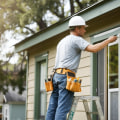
When embarking on a home construction project, understanding the importance of budgeting cannot be overstated. A well-planned budget serves as the foundation for a successful build, guiding homeowners through the myriad of decisions they will face. Without a clear financial plan, it is all too easy to overspend, leading to stress and potential compromises on quality or scope. Establishing a home construction budget not only helps in managing costs but also ensures that the project aligns with the homeowner's financial capabilities and long-term goals. Moreover, effective financial planning for construction allows homeowners to anticipate potential challenges and allocate resources accordingly.
This proactive approach can mitigate risks associated with unexpected expenses, such as material price fluctuations or unforeseen site conditions. By setting a realistic budget from the outset, homeowners can make informed choices about materials, labour, and timelines, ultimately leading to a smoother construction process. In essence, budgeting is not merely a preliminary step; it is an ongoing process that requires regular review and adjustment as the project progresses. By prioritising financial discipline and transparency, homeowners can navigate the complexities of home construction with confidence, ensuring that their dream home becomes a reality without breaking the bank.
Setting a Realistic Budget for Your Home Construction Project
Creating a realistic budget for your home construction project is crucial to ensure that you stay within your financial limits while achieving your desired outcome. Here are some key factors to consider when setting your construction budget:- Materials: The choice of materials significantly impacts your overall costs.
Research various options and their prices, and consider both quality and durability. For instance, opting for high-quality materials may have a higher upfront cost but can save you money on maintenance in the long run.
- Labour: Labour costs can vary widely depending on the complexity of the project and the expertise required. Obtain multiple quotes from contractors to ensure you are getting a fair price. Don’t forget to factor in any additional costs for subcontractors, if needed.
- Permits and Fees: Before commencing construction, check with your local council about necessary permits and associated fees.
These can add up quickly, so it’s essential to include them in your budget from the outset.
- Unexpected Costs: It’s wise to set aside a contingency fund, typically around 10-20% of your total budget, to cover unforeseen expenses that may arise during construction. This could include anything from unexpected structural issues to changes in material prices.
- Create a detailed plan: Outline every aspect of the project, including timelines and specific tasks. A well-structured plan helps in identifying potential costs early on.
- Prioritise needs over wants: Focus on essential features first before considering upgrades or luxury items. This approach ensures that you stay within budget while still achieving a functional space.
- Regularly review your budget: Keep track of all expenses throughout the construction process.
Regular reviews will help you identify any areas where you may be overspending and allow you to make necessary adjustments.
Researching and Comparing Costs: Materials and Labour
When embarking on a home construction project, one of the most critical steps is researching and comparing costs for both materials and labour. This process not only helps in staying within budget but also ensures that you are making informed decisions that can affect the overall quality of your build.Understanding the Cost of Construction Materials
The first step in managing your budget is to gain a clear understanding of the cost of construction materials. Prices can vary significantly based on quality, brand, and supplier. Here are some tips to help you find the best deals:- Shop Around: Visit multiple suppliers and compare prices.
Don’t hesitate to ask for quotes from different vendors.
- Consider Alternatives: Sometimes, opting for less popular brands or alternative materials can save you money without compromising quality.
- Buy in Bulk: If you have the storage space, purchasing materials in bulk can often lead to significant discounts.
Comparing Contractor Prices
Selecting the right contractor is equally important. While it may be tempting to go with the lowest bid, it’s essential to consider the overall value. Here’s how to effectively compare contractor prices:- Get Multiple Quotes: Always obtain at least three quotes from different contractors. This will give you a better idea of the market rate.
- Check References: Look into past projects and client reviews to ensure that the contractor delivers quality work.
- Understand What’s Included: Ensure that each quote outlines what is included in the price, such as materials, labour, and any additional fees.
Finding Affordable Labour
Labour costs can be a significant portion of your construction budget.To find affordable yet skilled labour, consider these strategies:
- Hire Locally: Local tradespeople often have lower travel costs and may offer competitive rates.
- Utilise Online Platforms: Websites like Checkatrade or Rated People can help you find qualified tradespeople with verified reviews.
- Negotiate Rates: Don’t be afraid to discuss your budget with potential contractors; they may be willing to adjust their rates or offer discounts for larger projects.
Prioritising Your Needs vs. Wants in Home Construction
When embarking on a home construction project, one of the most critical steps is prioritising your needs versus wants. This distinction can significantly influence your budget and the overall success of your project.Identifying Essential Features
- Structural Integrity: The foundation, walls, and roof are non-negotiable elements that ensure the safety and longevity of your home.
- Functional Spaces: Consider the essential rooms such as bedrooms, bathrooms, and a kitchen that meet your family's basic needs.
- Utilities: Proper plumbing, electrical systems, and heating/cooling are vital for day-to-day living.
Recognising Luxury Upgrades
- High-End Finishes: While granite countertops and hardwood floors may enhance aesthetics, they are often not essential for functionality.
- Smart Home Technology: Features like automated lighting and security systems can add convenience but may not be necessary for all homeowners.
- Outdoor Amenities: Pools, elaborate landscaping, and outdoor kitchens can elevate your lifestyle but often come with hefty price tags.
Additionally, consider consulting with a construction professional who can provide insights into which features offer the best value for money.Ultimately, by understanding the difference between essential and luxury home features, you can make informed decisions that align with your financial goals while still achieving a satisfying living space.
Utilising Cost-Effective Construction Techniques
When embarking on a home construction project, utilising cost-effective construction techniques can significantly impact your overall budget. By adopting innovative methods and materials, homeowners can achieve quality results while keeping expenses in check. One effective approach is to consider sustainable construction practices. These methods not only reduce costs but also benefit the environment. For instance, using recycled materials can lower material expenses and minimise waste.Additionally, opting for energy-efficient designs can lead to substantial savings on utility bills in the long run.
Cost-Effective Building Methods
- Prefabrication: This technique involves assembling components off-site, which can reduce labour costs and construction time.
- Modular Construction: Similar to prefabrication, modular construction allows for sections of a building to be constructed in a factory setting, ensuring quality control and reducing on-site waste.
- Using Local Materials: Sourcing materials locally can cut transportation costs and support the local economy.
The Role of Contingency Funds in Your Budget
When embarking on a home construction project, one of the most crucial aspects of your budget is the contingency fund. This fund acts as a financial safety net, designed to cover unexpected costs that may arise during the building process.From unforeseen structural issues to sudden price increases in materials, having a contingency fund can mean the difference between staying on track and derailing your entire project.So, how much should you set aside for this fund? A common guideline is to allocate between 10% to 20% of your total construction budget. This percentage can vary based on the complexity of your project and the potential risks involved. For instance, if you are undertaking a renovation of an older property, you might want to lean towards the higher end of that range due to the likelihood of encountering hidden problems.Here are some key reasons why a contingency fund is vital:
- Flexibility: It allows you to adapt to changes without compromising your overall budget.
- Peace of Mind: Knowing you have funds set aside for surprises can reduce stress during the construction process.
- Project Continuity: It helps ensure that unexpected expenses do not halt progress or force you to make difficult decisions.
- Regularly Review Your Budget: Keep track of all expenses and adjust your contingency fund as necessary.
- Communicate with Your Contractor: Maintain open lines of communication to stay informed about potential issues that could arise.
- Prioritise Needs Over Wants: Focus on essential elements of your project to avoid unnecessary expenditures.
Monitoring Your Budget Throughout the Construction Process
Staying within budget during the construction process is crucial for homeowners, and effective budget tracking is a key component of financial oversight.Here are some strategies to help you monitor your expenses effectively:
- Set a Detailed Budget: Before construction begins, create a comprehensive budget that includes all potential costs, such as materials, labour, permits, and unexpected expenses. This will serve as your financial roadmap.
- Use Budgeting Tools: Leverage digital tools and apps designed for managing construction expenses. Software like Buildertrend or CoConstruct can help you track spending in real-time and provide insights into where your money is going.
- Regularly Review Expenses: Schedule weekly or bi-weekly reviews of your budget against actual spending. This will allow you to identify any discrepancies early on and make necessary adjustments.
- Maintain Open Communication: Keep in close contact with your contractor and suppliers.
Regular updates on progress and costs can help prevent surprises that could derail your budget.
- Document Everything: Keep detailed records of all transactions, including invoices and receipts. This documentation will not only help you stay organised but also provide clarity if disputes arise.
FAQs About Budgeting for Home Construction and Maintenance
When embarking on a home construction project, homeowners often have numerous questions regarding budgeting. Here are some of the most frequently asked questions about home construction and maintenance budgeting:What are the main costs involved in home construction?
The primary costs associated with home construction include:- Materials: This encompasses everything from bricks and timber to roofing and insulation.
- Labour: Skilled tradespeople such as electricians, plumbers, and builders will charge for their services.
- Permits and Fees: Local authorities may require various permits, which can add to your overall budget.
- Design and Planning: Hiring architects or designers can be a significant expense but is crucial for a successful project.
How can I estimate my home maintenance costs?
A good rule of thumb is to set aside 1% to 3% of your home's value annually for maintenance.This fund can cover routine upkeep such as:
- Painting and decorating
- Roof repairs
- HVAC servicing
- Landscaping
What strategies can help me stay within budget?
To ensure you remain within your budget during the construction process, consider the following strategies:- Create a detailed budget: Outline all expected costs and include a contingency fund for unexpected expenses.
- Prioritise your needs: Distinguish between essential features and those that are merely desirable.
- Get multiple quotes: Always compare prices from different contractors to find the best deal without compromising quality.
- Monitor expenses regularly: Keep track of your spending throughout the project to avoid overspending.
Conclusion: Key Takeaways for Staying Within Budget During Home Construction
In conclusion, staying within budget during the home construction process is a multifaceted endeavour that requires meticulous planning and ongoing monitoring. By implementing the strategies discussed throughout this article, homeowners can significantly reduce the risk of overspending and ensure that their dream home becomes a reality without financial strain.Key Takeaways:- Establish a Realistic Budget: Begin with a comprehensive budget that includes all potential costs, from materials to labour, and set aside a contingency fund for unexpected expenses.
- Prioritise Needs Over Wants: Focus on essential features that align with your lifestyle and long-term goals, rather than getting sidetracked by luxury upgrades that may not add value.
- Choose the Right Professionals: Engage experienced contractors and architects who understand your vision and can provide accurate estimates, helping to avoid costly surprises later on.
- Regularly Review Progress: Schedule frequent check-ins to assess the project’s financial status against your budget. This allows for timely adjustments if costs begin to escalate.
- Be Flexible: Understand that changes may be necessary as the project progresses. Being adaptable can help you make informed decisions that keep you within budget.
Ultimately, careful planning and proactive management are key to achieving a successful outcome without exceeding your budget.