In the ever-evolving landscape of home construction, staying abreast of the latest design trends is essential for homeowners, builders, and architects alike. As we move further into the 21st century, the emphasis on sustainability, functionality, and aesthetic appeal has never been more pronounced. Modern home design is not just about creating visually stunning spaces; it also involves integrating innovative technologies and materials that enhance the living experience while being environmentally conscious, much like how soft play areas are designed to provide safe and engaging environments for children.Today’s homeowners are increasingly seeking designs that reflect their personal style while also catering to practical needs. This shift has led to a surge in open floor plans, which promote a sense of spaciousness and connectivity within the home.
Additionally, the use of natural light has become a focal point in modern architecture, with large windows and skylights being incorporated to create bright, inviting interiors. These elements not only improve the overall ambiance but also contribute to energy efficiency, aligning with the growing trend towards sustainable living.As we delve deeper into the various home construction trends, it’s important to consider how these design elements can transform a house into a home. From minimalist aesthetics to biophilic design that connects indoor spaces with nature, each trend offers unique benefits that cater to contemporary lifestyles. Understanding these trends will not only inspire your next renovation or build but also ensure that your home remains relevant and functional for years to come.
Sustainable Building Practices
In recent years, the focus on sustainable home construction has gained significant momentum, driven by a growing awareness of environmental issues and the need for energy efficiency.Homeowners are increasingly seeking ways to reduce their carbon footprint, leading to a rise in the adoption of eco-friendly building materials and innovative design practices.One of the key aspects of sustainable building is the use of materials that are not only durable but also have a minimal impact on the environment. For instance, materials such as bamboo, reclaimed wood, and recycled metal are becoming popular choices. These materials not only contribute to sustainability but also add unique aesthetic qualities to homes.
- Bamboo: A fast-growing grass that is highly renewable and can be used for flooring, cabinetry, and even structural elements.
- Reclaimed Wood: Salvaged from old buildings or furniture, it reduces waste and adds character to new constructions.
- Recycled Metal: Often used in roofing and siding, it is durable and can be recycled again at the end of its life cycle.
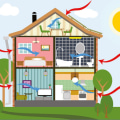
Features such as large windows, open floor plans, and strategically placed overhangs can significantly enhance energy efficiency.Moreover, integrating renewable energy sources like solar panels into home designs is becoming increasingly common. These systems not only provide clean energy but can also lead to substantial savings on utility bills over time.Ultimately, the shift towards sustainable building practices reflects a broader commitment to environmental stewardship. As more homeowners prioritise sustainability in their construction projects, the industry is likely to continue evolving towards greener solutions that benefit both people and the planet.
Open Floor Plans and Space Utilisation
In recent years, open floor plans have emerged as a defining feature in modern home construction, revolutionising the way we perceive and utilise space. This design trend promotes a seamless flow between living areas, effectively merging the kitchen, dining, and living rooms into one expansive area.Such layouts not only enhance the aesthetic appeal of a home but also significantly improve space utilisation.One of the primary advantages of open floor plans is their ability to create a sense of spaciousness. By eliminating unnecessary walls, homeowners can enjoy an uninterrupted sightline throughout the main living areas. This openness fosters a more inviting atmosphere, making it ideal for both family gatherings and entertaining guests.Moreover, open floor plans facilitate better natural light distribution. With fewer barriers to block sunlight, homes can feel brighter and more welcoming.
This aspect is particularly beneficial in smaller homes where maximising light can make a significant difference in perceived space.
- Flexibility: Open layouts allow for versatile furniture arrangements, enabling homeowners to adapt their spaces according to their needs.
- Social Interaction: The absence of walls encourages interaction among family members and guests, enhancing the overall living experience.
- Efficient Use of Space: Open designs often lead to more efficient use of square footage, making smaller homes feel larger.
Smart Home Technology Integration
In recent years, the integration of smart home technology into new constructions has transformed the way we think about home construction and maintenance.This trend not only enhances the functionality of homes but also significantly improves energy efficiency and user convenience.One of the most notable aspects of this integration is home automation. Homeowners can now control various systems within their homes remotely, using smartphones or voice-activated devices. This includes:
- Lighting systems: Smart bulbs and lighting controls allow users to adjust brightness and colour from anywhere.
- Heating and cooling: Smart thermostats learn user preferences and adjust temperatures accordingly, leading to energy savings.
- Security systems: Smart locks, cameras, and alarms provide enhanced security features that can be monitored in real-time.
- Appliances: From refrigerators that notify you when you're low on groceries to washing machines that can be controlled remotely, smart appliances are becoming commonplace.
This includes:
- Wiring for connectivity: Ensuring homes are equipped with robust Wi-Fi networks and sufficient electrical outlets for smart devices.
- Sustainable materials: Many smart technologies are designed to work in harmony with sustainable building practices, further enhancing energy efficiency.
- User-friendly interfaces: Builders are focusing on creating intuitive systems that make it easy for homeowners to manage their smart technologies.
Minimalist Design Aesthetics
In recent years, minimalist home design has gained significant traction among homeowners and architects alike. This design philosophy prioritises simplicity and functionality, creating spaces that are not only aesthetically pleasing but also practical for everyday living.At its core, minimalist design is about stripping away the unnecessary to focus on what truly matters. This approach often results in clean lines, open spaces, and a harmonious flow throughout the home. The use of neutral colour palettes further enhances this sense of calm and order, making it an ideal choice for those seeking a serene environment.Key Features of Minimalist Design
- Simplicity in Architecture: Minimalist homes often feature straightforward architectural elements, avoiding excessive ornamentation.
This simplicity allows for a more timeless appeal.
- Functional Spaces: Every element in a minimalist home serves a purpose. Furniture is chosen not just for its aesthetic value but also for its functionality, ensuring that each piece contributes to the overall usability of the space.
- Natural Light: Large windows and open layouts are common in minimalist designs, allowing natural light to flood the interiors. This connection with the outdoors enhances the feeling of spaciousness.
- Quality over Quantity: Minimalism encourages homeowners to invest in fewer, high-quality items rather than filling their spaces with numerous possessions. This not only reduces clutter but also elevates the overall design aesthetic.
By embracing this trend, homeowners can create environments that foster relaxation and clarity, making it easier to navigate daily life without the distractions of clutter.As we continue to see a shift towards more sustainable living practices, minimalist design aligns perfectly with these values. By focusing on essential elements and reducing waste, homeowners can contribute to a more sustainable future while enjoying the benefits of modern aesthetics.
Use of Natural Materials
In recent years, the trend towards using natural materials in home construction has gained significant traction. Homeowners are increasingly drawn to the warmth and authenticity that materials like wood and stone provide, creating spaces that feel both inviting and timeless.Wood in Construction
- Timber is a popular choice for structural elements, offering strength and flexibility while being environmentally friendly.
- Exposed wooden beams can add character to a home, enhancing its aesthetic appeal.
- Wooden flooring is not only durable but also provides a natural warmth that complements various interior styles.
Stone Finishes
- Stone finishes, such as granite, slate, and limestone, are often used for both interior and exterior applications.
- These materials are celebrated for their durability and low maintenance requirements, making them ideal for high-traffic areas.
- The unique patterns and colours found in natural stone can create stunning focal points in any room.
As sustainability becomes a priority for many homeowners, the choice of natural materials aligns with eco-friendly practices.In conclusion, the trend of using natural materials like wood and stone in home construction reflects a broader desire for authenticity and connection to nature. By incorporating these elements, homeowners can create spaces that are not only beautiful but also sustainable and enduring.
Outdoor Living Spaces
In recent years, the concept of outdoor living spaces has gained significant traction among homeowners, transforming backyards into extensions of their homes. This trend reflects a growing desire to create functional and aesthetically pleasing areas that can be enjoyed year-round.One of the most popular features in outdoor living design is the incorporation of patios and decks. These structures not only provide a space for relaxation and entertainment but also enhance the overall value of a property.Homeowners are increasingly opting for materials such as composite decking, which offers durability and low maintenance, making it an ideal choice for busy families.When designing these outdoor areas, it’s essential to consider how they integrate with the surrounding landscape.
Garden design
plays a crucial role in creating a cohesive look. Incorporating native plants and sustainable landscaping practices can enhance the beauty of patios and decks while promoting biodiversity. Features such as raised garden beds, vertical gardens, and ornamental pathways can add character and functionality to outdoor spaces.- Outdoor Kitchens: Many homeowners are investing in outdoor kitchens equipped with grills, sinks, and refrigerators, allowing for seamless entertaining.
- Fire Pits: Fire pits have become a staple in outdoor living design, providing warmth and a focal point for gatherings.
- Lighting: Thoughtful lighting solutions, such as string lights or built-in LED fixtures, can create an inviting atmosphere for evening use.
As homeowners seek to maximise their property’s potential, investing in well-designed outdoor areas becomes an essential aspect of home construction and maintenance.
Adaptive Reuse and Renovation Trends
In recent years, the trend of adaptive reuse has gained significant traction in the realm of home construction and maintenance. This approach involves repurposing old buildings for new uses, thereby preserving their historical value while meeting modern needs. As sustainability becomes a priority for homeowners and builders alike, adaptive reuse offers a compelling solution that aligns with eco-friendly practices.One of the most notable aspects of adaptive reuse is its ability to breathe new life into structures that may otherwise be abandoned or neglected. For instance, warehouses, factories, and even churches are being transformed into stylish residential spaces.This not only helps to reduce urban sprawl but also minimises waste by utilising existing materials and infrastructure.
Home Renovation Trends
As part of the broader trend in home renovation, many homeowners are opting for renovations that respect the original architecture while incorporating modern amenities. This can include:- Preserving Original Features: Retaining elements such as exposed brick walls, wooden beams, and vintage fixtures can add character and charm to a home.
- Energy Efficiency Upgrades: Integrating modern insulation, energy-efficient windows, and sustainable heating systems can significantly reduce energy consumption.
- Open Floor Plans: Many renovations focus on creating open spaces that enhance natural light and improve flow within the home.
As more homeowners embrace these principles, we can expect to see an increase in innovative renovations that honour the past while paving the way for a sustainable future.
Conclusion: The Future of Home Construction Design Trends
As we look towards the future of home construction and maintenance, it is clear that the trends discussed throughout this article will play a pivotal role in shaping how we build and maintain our living spaces. The integration of sustainability, technology, and innovative design is not merely a passing phase but a fundamental shift in the industry.One of the most significant trends is the emphasis on sustainable building practices. As environmental concerns continue to rise, homeowners and builders alike are prioritising eco-friendly materials and energy-efficient designs. This shift not only reduces the carbon footprint of new constructions but also leads to long-term savings on energy bills, making it a win-win for both the environment and homeowners.Moreover, the incorporation of smart home technology is revolutionising how we interact with our living spaces.From automated lighting systems to advanced security features, these innovations enhance convenience and safety, making homes more adaptable to the needs of modern families. As technology continues to evolve, we can expect even more sophisticated solutions that will further streamline home maintenance.Additionally, the trend towards open-plan living spaces reflects a growing desire for flexibility and connectivity within homes. This design approach not only maximises space but also fosters a sense of community among family members. As lifestyles change, so too will our expectations for how our homes function.In conclusion, the future of home construction is poised to be defined by these emerging trends.
By embracing sustainability, leveraging technology, and prioritising innovative design, we can create homes that are not only aesthetically pleasing but also functional and environmentally responsible. As these trends continue to evolve, they will undoubtedly influence how we approach home maintenance, ensuring that our living spaces remain comfortable and efficient for years to come.