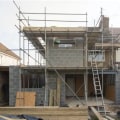
Owning a newly constructed home is an exciting milestone, but it also comes with the responsibility of home construction and maintenance. Understanding the nuances of maintaining your property is crucial for ensuring its longevity and retaining its value over time. For instance, when considering outdoor spaces, installing a pool cover can be an essential part of your maintenance routine. A well-maintained home not only provides comfort and safety but also serves as a significant investment that can appreciate in value. From the moment you step into your new home, it’s essential to recognise that Owning a newly constructed home is an exciting milestone, but it also comes with the responsibility of home construction and maintenance. Understanding the nuances of maintaining your property is crucial for ensuring its longevity and retaining its value over time. For instance, when considering outdoor spaces, installing a pool cover can be an essential part of your maintenance routine. A well-maintained home not only provides comfort and safety but also serves as a significant investment that can appreciate in value. From the moment you step into your new home, it’s essential to recognise that home maintenance is an ongoing process.
This involves regular inspections, timely repairs, and proactive measures to prevent deterioration. Many homeowners underestimate the impact of neglecting small issues, which can escalate into costly repairs if left unaddressed. By prioritising maintenance, you can safeguard your investment and enhance the overall appeal of your property. Moreover, understanding the relationship between home construction quality and maintenance practices is vital. High-quality materials and craftsmanship can significantly reduce the frequency of repairs needed, but even the best-built homes require attention.
In this article, we will explore effective strategies for maintaining your newly constructed home, ensuring that it remains a valuable asset for years to come.
Regular Maintenance Checks: The Foundation of Home Value
Maintaining the value of your newly constructed home is a continuous process that hinges on regular maintenance checks. These inspections are crucial in identifying potential issues before they escalate into costly repairs. A well-structured maintenance schedule not only preserves the aesthetic appeal of your home but also ensures its structural integrity over time.What to Inspect
- Roofing: Inspect for missing shingles, leaks, or signs of wear. Regular checks can prevent water damage and extend the lifespan of your roof.
- Plumbing: Look for leaks under sinks, around toilets, and in exposed pipes.
Early detection can save you from extensive water damage and mould growth.
- Electrical Systems: Ensure that all outlets and switches function properly. Consider having a professional inspect your electrical system every few years to avoid fire hazards.
- HVAC Systems: Change filters regularly and schedule annual servicing to maintain efficiency and prolong the life of your heating and cooling systems.
- Exterior: Check for cracks in the foundation, peeling paint, or damaged siding. Addressing these issues promptly can prevent more significant problems down the line.
How Often to Conduct Inspections
A good rule of thumb is to perform a thorough inspection of your home at least twice a year. However, certain areas may require more frequent checks:
- Seasonal Changes: Inspect your home before and after winter to address any weather-related damage.
- After Major Storms: Following severe weather events, check for any damage that may have occurred.
This can provide an expert's perspective on areas that may need attention and help you stay ahead of potential issues.By adhering to a consistent maintenance schedule, homeowners can significantly enhance their property's longevity and value, ensuring that their investment remains secure for years to come.
Exterior Care: Protecting Your Home's First Impression
Maintaining the exterior of your home is crucial for preserving its value and ensuring it remains an inviting space. Regular exterior maintenance not only enhances your home’s curb appeal but also protects its structural integrity.Regular Painting and Staining
One of the most effective ways to maintain your home’s exterior is through regular painting and staining. A fresh coat of paint can do wonders for your home’s appearance, while also providing a protective layer against the elements. Aim to repaint every five to seven years, depending on the material of your home’s exterior.For wooden surfaces, consider using a high-quality stain that repels moisture and prevents rot.
Roof Maintenance
Your roof is your home’s first line of defence against weather conditions. Regular inspections are essential to identify any potential issues early on. Look for missing or damaged shingles, and ensure that gutters are clear of debris to prevent water damage. It’s advisable to have a professional inspect your roof at least once a year.Landscaping Care
A well-maintained garden can significantly boost your home’s curb appeal.Regularly trim hedges, mow the lawn, and remove weeds to keep your outdoor space looking tidy. Consider planting seasonal flowers to add colour and vibrancy. Additionally, ensure that trees are pruned to prevent branches from touching the house, which can lead to damage over time.
Driveway and Pathway Maintenance
Your driveway and pathways are often overlooked but play a vital role in your home’s exterior appeal. Regularly check for cracks or uneven surfaces and repair them promptly.Sealing asphalt driveways every few years can extend their lifespan and enhance their appearance.By prioritising these exterior maintenance tasks, homeowners can protect their investment and ensure that their newly constructed home remains a source of pride for years to come.
Interior Upkeep: Ensuring Comfort and Functionality
Maintaining the interior of your home is crucial for preserving its value and ensuring a comfortable living environment. Regular interior maintenance not only enhances the aesthetic appeal but also ensures that essential systems function efficiently.Plumbing Maintenance
- Inspect pipes and fixtures regularly for leaks or signs of wear.
- Flush your water heater annually to remove sediment buildup, which can affect efficiency.
- Ensure that drains are clear by using strainers and periodically cleaning them to prevent clogs.
Electrical System Care
- Check circuit breakers and fuses to ensure they are functioning properly.
- Test smoke detectors and carbon monoxide alarms monthly, replacing batteries as needed.
- Consider hiring a professional electrician to inspect your wiring every few years, especially in older homes.
Appliance Efficiency
- Clean refrigerator coils and replace water filters regularly to maintain efficiency.
- Run dishwashers and washing machines with full loads to save energy and water.
- Schedule annual maintenance for HVAC systems to ensure optimal performance and longevity.
Energy Efficiency: A Smart Investment for Long-Term Value
In today's world, energy efficiency is not just a trend; it is a necessity for homeowners looking to maintain and enhance the value of their newly constructed homes.By investing in energy-efficient solutions, homeowners can enjoy significant cost savings while contributing to a more sustainable future.One of the most effective ways to improve energy efficiency is through the installation of high-quality insulation. Proper insulation helps to regulate indoor temperatures, reducing the need for excessive heating and cooling. This not only lowers energy bills but also extends the lifespan of HVAC systems.
Smart Home Technology
Integrating smart home technology can further enhance energy efficiency. Smart thermostats, for instance, allow homeowners to monitor and adjust their heating and cooling systems remotely, ensuring that energy is not wasted when the home is unoccupied.Additionally, smart lighting systems can automatically turn off lights in unoccupied rooms, further reducing energy consumption.
Energy-Efficient Appliances
When it comes to appliances, opting for those with high energy ratings can lead to substantial savings over time. Energy-efficient appliances consume less electricity and water, which not only benefits the environment but also translates into lower utility bills.Sustainable Landscaping
Homeowners should also consider sustainable landscaping practices. Planting native trees and shrubs can provide natural shade, reducing the need for air conditioning during hot months. Moreover, incorporating drought-resistant plants can minimise water usage, contributing to both cost savings and environmental sustainability.In conclusion, prioritising energy efficiency in home construction and maintenance is a smart investment that pays off in multiple ways.By implementing these strategies, homeowners can ensure their property remains valuable while promoting a sustainable lifestyle.
Documenting Improvements: Building Your Home's History
Maintaining the value of your newly constructed home is not solely about regular upkeep; it also involves documenting improvements and changes made over time. Keeping a detailed record of all maintenance and enhancements can significantly influence your property’s value when it comes time to sell.Why Documentation Matters
Documentation serves multiple purposes. Firstly, it provides potential buyers with a clear history of the home, showcasing how well it has been cared for. A comprehensive record can include:
- Maintenance logs: Regular servicing of heating, plumbing, and electrical systems.
- Renovation details: Information on any upgrades, such as kitchen remodels or bathroom renovations.
- Energy efficiency improvements: Records of installations like double-glazing or insulation enhancements.
- Landscaping changes: Documentation of garden improvements or outdoor structures.
Buyers are often willing to pay a premium for homes that demonstrate a history of care and investment.
Creating a Property Value History
As you document improvements, consider creating a property value history. This can be a simple timeline that outlines significant upgrades and their associated costs. For instance, if you installed a new roof or upgraded to energy-efficient appliances, noting these changes can help illustrate the home’s increasing value over time.
Best Practices for Documentation
- Keep receipts and invoices: Always save proof of purchases and services performed.
- Photographic evidence: Take before-and-after photos of renovations to visually demonstrate improvements.
- Create a digital file: Use cloud storage to keep your documents organised and easily accessible.
Common Mistakes to Avoid in Home Maintenance
Maintaining a newly constructed home is crucial for preserving its value, yet many homeowners fall into common traps that can lead to costly repairs and diminished property worth.Here are some frequent mistakes to avoid:
- Neglecting Regular Inspections: One of the biggest pitfalls is failing to conduct regular inspections of key areas such as the roof, plumbing, and electrical systems. Schedule annual check-ups to catch potential issues early.
- Ignoring Manufacturer Guidelines: Each appliance and system in your home comes with specific maintenance instructions. Ignoring these can void warranties and lead to premature failures. Always refer to the manufacturer’s guidelines for upkeep.
- Overlooking Landscaping: Many homeowners focus solely on the interior of their homes, neglecting the exterior.
Poor landscaping can lead to drainage issues and pest infestations. Regularly maintain your garden and ensure proper drainage systems are in place.
- Using Incorrect Cleaning Products: Using harsh chemicals on surfaces can cause damage over time. Always opt for products that are safe for your home’s materials, especially on finishes and fixtures.
- Postponing Repairs: Small issues can quickly escalate if left unattended. Whether it’s a leaky faucet or a cracked tile, addressing repairs promptly can save you money in the long run.
Here are some additional tips:
- Create a Maintenance Schedule: Develop a yearly maintenance calendar that includes tasks like gutter cleaning, HVAC servicing, and exterior painting.
- Educate Yourself: Take time to learn about your home’s systems and how they function. Understanding the basics can help you identify problems before they worsen.
- Invest in Quality Materials: When making repairs or upgrades, choose high-quality materials that will stand the test of time, reducing the need for frequent replacements.
When to Seek Professional Help: Knowing Your Limits
As a homeowner, it’s essential to recognise when a task exceeds your skill set and when it’s time to call in the professionals. While DIY projects can be rewarding and cost-effective, certain maintenance tasks require the expertise of trained contractors to ensure safety and quality.Identifying Complex Issues
If you encounter problems such as significant plumbing leaks, electrical issues, or structural concerns, it’s crucial to seek professional help. These areas not only demand specialised knowledge but also pose risks if not handled correctly.For instance, a small leak can escalate into extensive water damage if not addressed promptly by a qualified plumber.
When Safety is at Stake
Safety should always be a priority in home maintenance. Tasks involving heights, such as roof repairs or gutter cleaning, can be dangerous without the right equipment and experience. Hiring professionals ensures that these jobs are completed safely and efficiently, reducing the risk of injury.Specialised Skills Required
Some maintenance tasks require specific skills that most homeowners may not possess. For example, HVAC system maintenance or installation should be left to certified technicians who understand the complexities of heating and cooling systems.Similarly, electrical work often requires a licensed electrician to comply with local regulations and ensure safety.
Time Considerations
Consider your own time constraints when deciding between DIY and hiring professionals. Some maintenance tasks can be time-consuming and may take longer than anticipated if you lack experience. Hiring a contractor can save you valuable time and allow you to focus on other important aspects of homeownership.Cost vs. Value
While hiring professionals may seem like an added expense, it can actually save you money in the long run by preventing costly mistakes.A poorly executed DIY project can lead to further damage that requires professional intervention later on. Therefore, investing in expert services for critical tasks is often more economical.In summary, knowing your limits is vital in maintaining your home’s value over time. By recognising when to seek professional help, you can ensure that your home remains safe, functional, and well-maintained.
Conclusion: Sustaining Your Home's Value for Generations to Come
In conclusion, maintaining the value of your newly constructed home is a multifaceted endeavour that requires diligence and foresight. As we have explored throughout this article, home construction and maintenance are intrinsically linked, and understanding this relationship is crucial for homeowners who wish to protect their investment. Regular maintenance not only enhances the aesthetic appeal of your property but also prevents minor issues from escalating into costly repairs.Here are some key takeaways to consider:
- Routine Inspections: Schedule regular inspections of your home’s structural integrity, plumbing, and electrical systems. Early detection of problems can save you significant expenses in the long run.
- Seasonal Maintenance: Adapt your maintenance tasks to the seasons. For instance, clearing gutters in autumn and checking heating systems before winter can prevent damage and ensure efficiency.
- Quality Upgrades: When making improvements or renovations, opt for high-quality materials and professional services. This not only enhances your home’s value but also ensures longevity.
- Landscaping: Invest in landscaping to improve curb appeal.
A well-maintained garden can significantly increase your home’s market value.